Misaligned teeth are more than an aesthetic concern: they’re a serious oral health issue that can impact your smile for several years to come. That’s why any dentist at a Franck family dental practice will suggest you explore orthodontic treatments, like braces or clear aligners.
However, the effects of a misaligned bite are far-reaching, extending beyond your smile. They can affect your nutrition, affect your overall body, and ultimately impact your quality of life.

What Is Malocclusion?
Malocclusion means having a misaligned bite.
When you have malocclusion, your upper and lower teeth don’t fit together properly when you close your mouth. It might happen because you have crowded or crooked teeth, or it could happen because your upper and lower jaws don’t align as they should.
Most cases of malocclusion are hereditary. That means you’re more likely to have misaligned teeth if your biological parents, grandparents, or siblings also have misaligned teeth. However, other factors, like tooth loss or dental trauma, can also cause misalignment.
Health Risks of Malocclusion
Untreated malocclusion can be harmful—not only to your oral health, but also to your overall body.
1. Increased Risk of Tooth Decay and Gum Disease
One of the biggest problems of having malocclusion is that crowded or overlapping teeth are harder to clean effectively. Simply brushing may not be enough to remove all the plaque buildup; without regular dental cleanings, your risk of cavities and periodontal disease increases.
This can impact your overall health.
Bacteria and inflammatory byproducts caused by gingivitis can enter the bloodstream, affecting organs and tissues throughout the body. For example, studies have shown that oral bacteria like P. gingivalis contribute to plaque buildup in blood vessels, which increases the risk for heart attacks, strokes, and atherosclerosis.
2. Jaw Pain and TMJ Disorders
Misalignment causes uneven bite forces, straining the jaw muscles and joints. This makes you more prone to TMJ disorders, causing issues like jaw clicking, headaches, earaches, and facial pain.
Over time, the stress on facial and jaw muscles from an uneven bite can trigger tension headaches and debilitating migraines.
3. Chewing and Digestion Issues
Misaligned teeth don’t come together properly when you bite. This results in inefficient or uneven chewing, which can impact your gut health.
Chewing is the first step of digestion: saliva mixes with food to begin breaking it down. If food isn’t chewed thoroughly, the stomach has to work harder to digest larger particles. You may experience indigestion, bloating, or nutrient malabsorption.
4. Speech Difficulties
Teeth play a significant role during speech, guiding airflow and tongue movement. When your upper and lower arches don’t meet properly, you may experience issues like lisps, mumbled or slurred speech, and difficulty with articulation and clarity.
5. Sleep Apnea and Breathing Issues
Certain misalignments (especially jaw misplacements) can obstruct the airway. This can cause poor sleep, snoring, or obstructive sleep apnea, which is linked to heart and metabolic conditions.
Enjoy the Benefits of a Straight Smile with Franck Family Dental Services
Misaligned teeth don’t just affect how your smile looks—they can impair how you chew, speak, breathe, sleep, and feel. In the long run, misaligned teeth may affect confidence and social interactions.
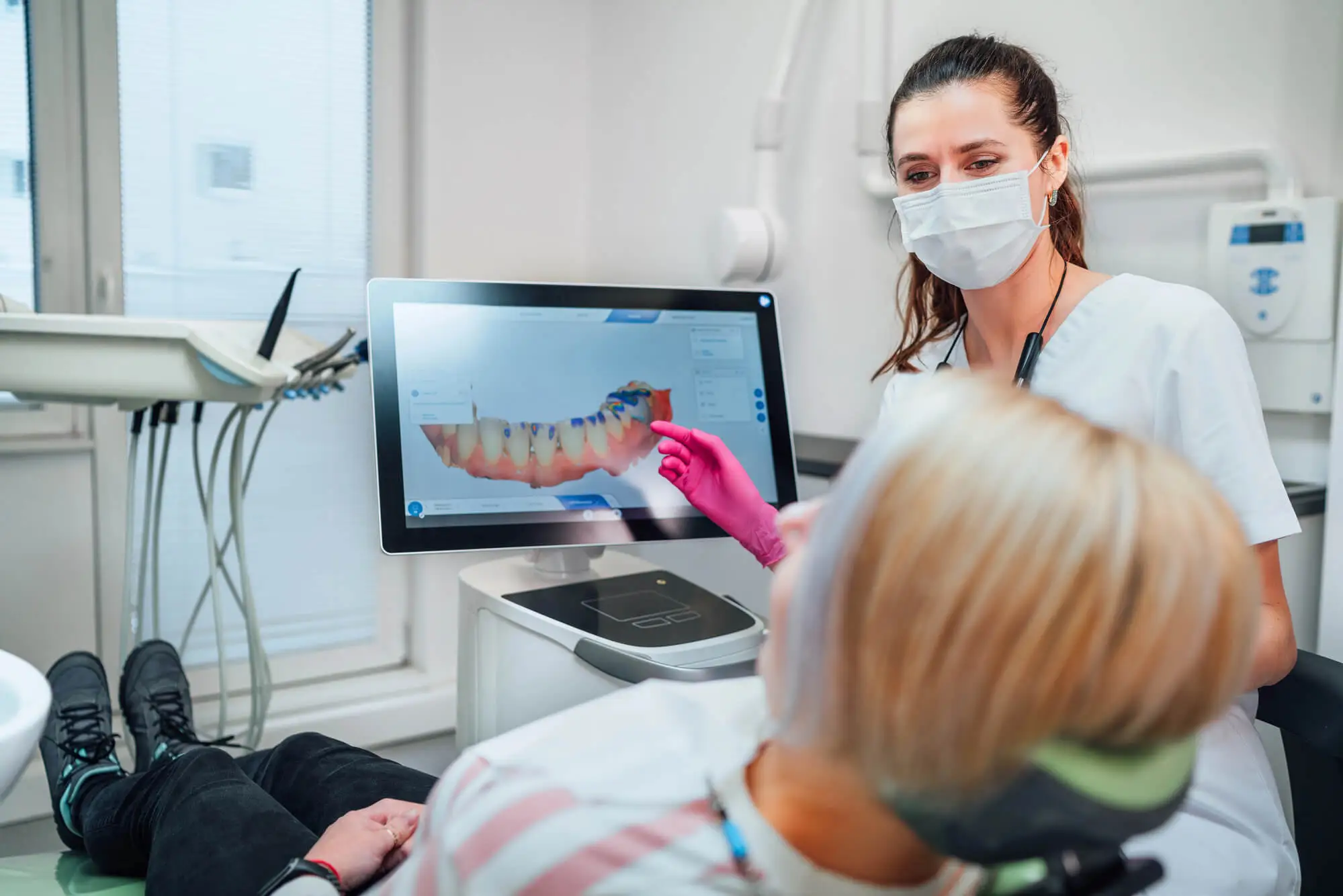
At C Christian Franck DDS, we understand the link between oral and overall health, which is why we want to help you achieve a straighter smile. If you don’t like the idea of braces, Invisalign® can be an effective and comfortable option.
Contact us today to learn more!
*Invisalign®, the Invisalign logo, and iTero®, among others, are trademarks and/ or service marks of Align Technology, Inc. or one of its subsidiaries or affiliated companies and may be registered in the U.S. and/or other countries.