
Restorative Dental Services
Dental Crowns in Kennett Square, PA
A tooth that has cracked, worn down, or been rebuilt one filling at a time eventually reaches a point where a filling alone will no longer hold up. That is usually when patients start researching dental crowns in Kennett Square, and Dr. C. Christian Franck has spent more than 30 years helping Chester County patients determine whether a crown is the right next step.
What Is a Dental Crown?
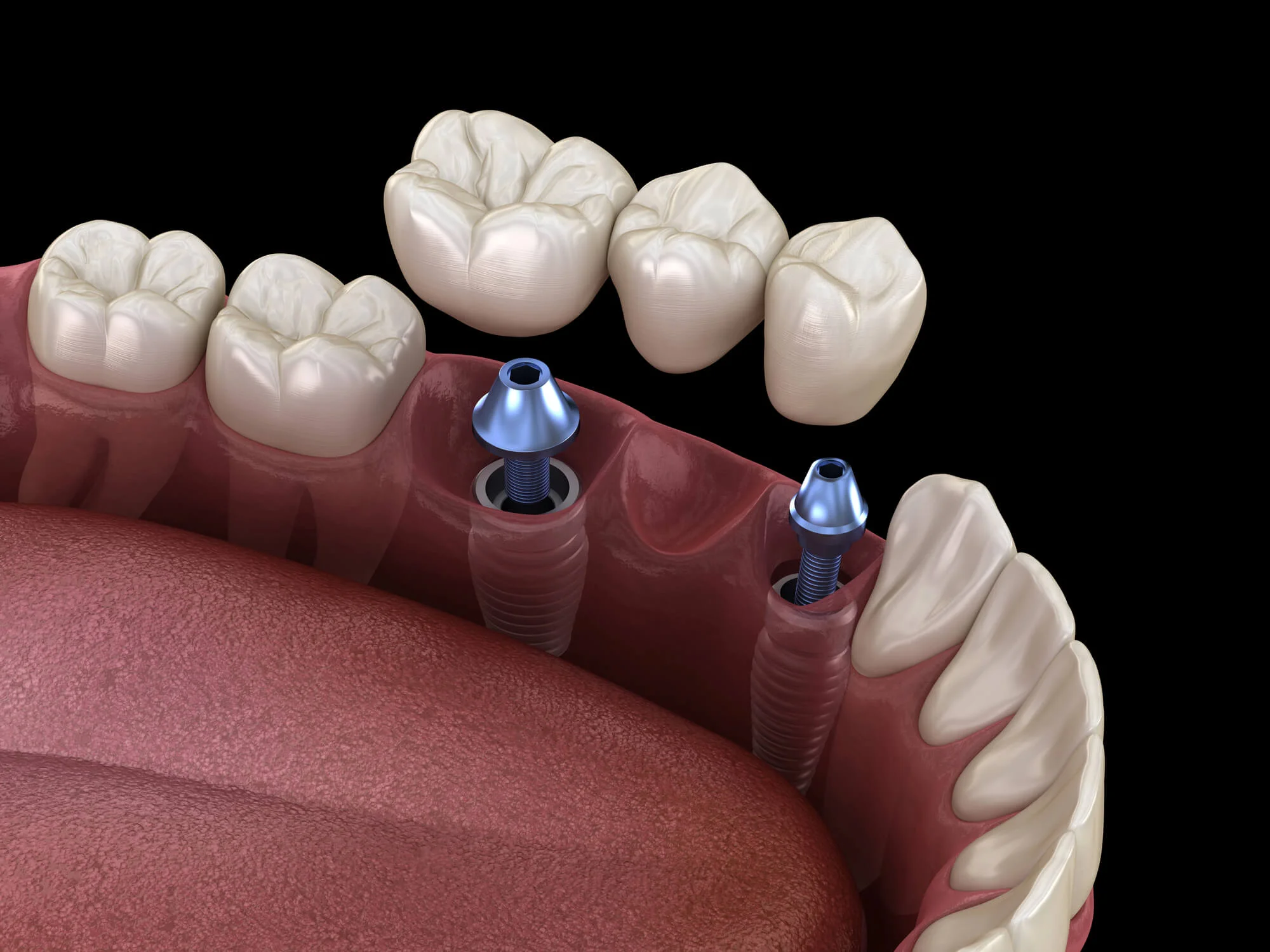
A dental crown, sometimes called a dental cap, is a tooth-shaped cover that fits over the entire visible portion of a damaged tooth. According to the Cleveland Clinic, a dentist first reshapes the tooth, then bonds the crown over it to restore strength, shape, and function.
Unlike a veneer, which only covers the front surface of a tooth for cosmetic reasons, a crown covers the whole tooth and is generally used to solve a structural problem rather than a purely cosmetic one. If your main concern is the appearance of a front tooth rather than damage or decay, our page on anterior crowns and veneers covers that cosmetic side in more detail.
When Do You Need a Crown?
A tooth crown becomes necessary once decay, a crack, or years of wear have left too little healthy structure for a filling to bond to safely. Cleveland Clinic lists several common reasons a crown gets recommended: to strengthen a weak tooth, protect a cracked tooth, restore a worn-down or broken tooth, cover a tooth after root canal treatment, anchor a dental bridge, or cover a dental implant.
That last point matters more than it seems. A tooth that has already had a root canal loses much of its internal support. Dr. Franck’s team notes that newer root canal techniques and materials mean the procedure itself typically involves little to no discomfort, but the tooth still needs a crown afterward to prevent it from fracturing under normal biting forces.
Getting a Crown: What to Expect, Step by Step
Getting a crown at Franck Dental generally follows the same sequence, regardless of which tooth is involved.
- Consultation. We start with a complimentary consultation to examine the tooth and discuss what caused the damage in the first place.
- Imaging. Fully digital X-rays, which reduce radiation exposure by up to 90% compared to older film methods, help confirm how much of the tooth structure is still healthy.
- Preparation. The tooth is reshaped to make room for the crown, removing the damaged or decayed portion along with a small amount of additional structure.
- Impression and temporary crown. An impression or digital scan is sent to a dental lab to create your custom crown, and a temporary crown protects the tooth in the meantime.
- Permanent placement. Once your crown is ready, Dr. Franck checks the fit, bite, and color before permanently bonding it to your tooth.

Types of Crowns and Materials
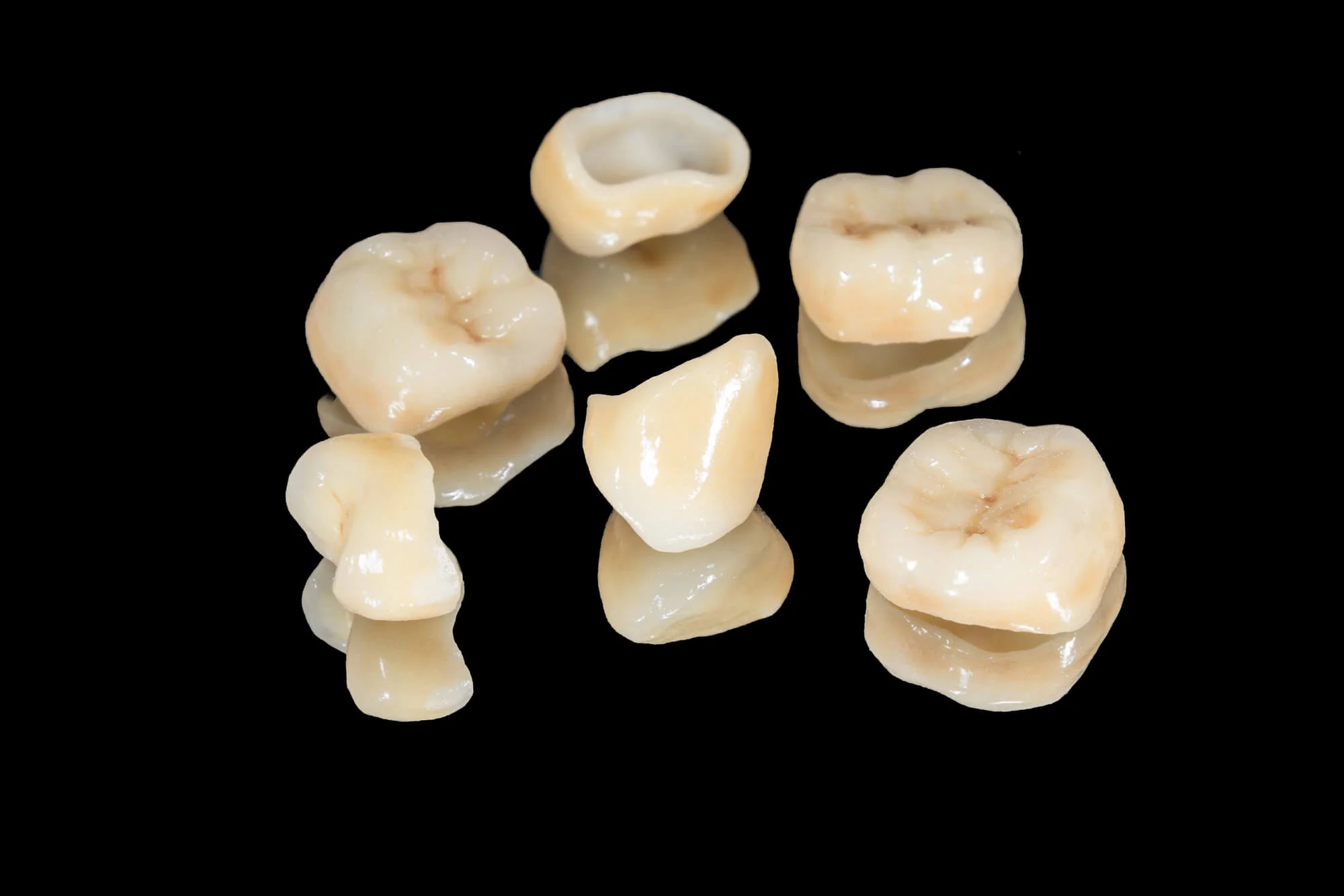
A porcelain crown is often the most requested option because it closely matches the color and translucency of natural enamel, making it a strong choice for teeth that show when you smile or speak. Metal crowns, made from gold or other alloys, rarely chip and hold up especially well under heavy chewing forces, making them a common choice for back molars where appearance matters less than durability.
Porcelain-fused-to-metal crowns combine the strength of metal with a tooth-colored surface, though the porcelain layer can eventually chip, revealing the metal underneath. Dr. Franck will walk you through which material fits your specific tooth, your budget, and the visibility of the tooth when you speak or smile.
How Long Do Dental Crowns Last?
Most crowns last somewhere between five and fifteen years, and the Cleveland Clinic notes that with consistent care, some crowns hold up for 30 years or longer. What shortens that lifespan is usually predictable: biting into ice, hard candy, or unpopped popcorn kernels, grinding your teeth at night without a mouthguard, or skipping regular checkups that would otherwise catch a small problem before it becomes a bigger one.
A crown that starts to feel loose, develops a sharp edge, or causes a bad taste that will not go away is worth having checked sooner rather than later.
What Does a Dental Crown Cost?
Crown cost depends on the material you choose, which tooth is involved, and how much preparation the tooth needs before the crown can be placed, so we can’t quote it accurately without an exam. Dental insurance often covers a portion of the cost of a crown when medically necessary, such as after a root canal or to repair a fractured tooth, though coverage details vary by plan.
For the portion of the cost patients pay out of pocket, we accept major credit cards, HSA and FSA payments, and CareCredit financing, which comes with no annual fees and the option to spread payments over time rather than pay the full cost upfront.
A complimentary consultation is the most reliable way to get real numbers for your specific tooth.
Need a Dental Crown in Kennett Square? We’ve Got You
If a cracked, worn, or heavily filled tooth has been bothering you, do not wait for it to get worse. Franck Dental has been providing dental crowns in Kennett Square and throughout Chester County for more than three decades, and Dr. Franck and the team can evaluate your tooth, walk you through your material options, and honestly let you know whether a crown, a filling, or something else is the right call.
Contact our office today to schedule a complimentary consultation and get a straight answer about what your tooth actually needs.

Complimentary Consultations
Invisalign Aligners

Zoom Teeth Whitening
Our Hours
Monday 8:30am – 8:00pm
Tuesday 8:30am – 6:00pm
Wednesday 8:30am – 4:00pm
Thursday 8:30am – 5:00pm
C. Christian Franck, DDS
721 East Baltimore Pike Suite 301
Kennett Square, PA 19348